Residential Tree Service in Allentown, PA
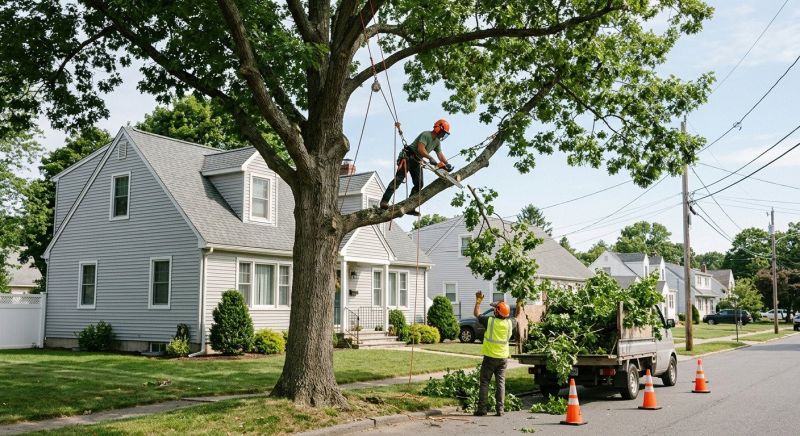
Residential tree service encompasses a range of professional activities aimed at maintaining, removing, or improving trees on private property. Common projects include pruning to promote healthy growth, trimming to improve aesthetics or clearance, and tree removal when a tree is dead, diseased, or poses a safety risk. Property owners often seek these services to enhance curb appeal, ensure safety around their homes, or address specific concerns such as obstructed views or damaged branches. Before requesting a tree service, it’s helpful for homeowners to assess the condition of their trees, identify any potential hazards, and determine the desired outcome, whether it’s aesthetic improvement or safety-related removal.
Understanding the scope of residential tree services can help property owners communicate their needs clearly. It’s important to consider factors such as the size and location of trees, proximity to structures or power lines, and any local regulations or permits that may apply. Homeowners should also inquire about the methods used, the potential impact on their landscape, and any necessary preparations before work begins. Having this information can ensure that the tree service aligns with property goals and safety requirements, resulting in a well-maintained and attractive yard.
Many property owners in Allentown, PA look into Residential Tree Service for repairs, replacements, upgrades, and appearance-related improvements.
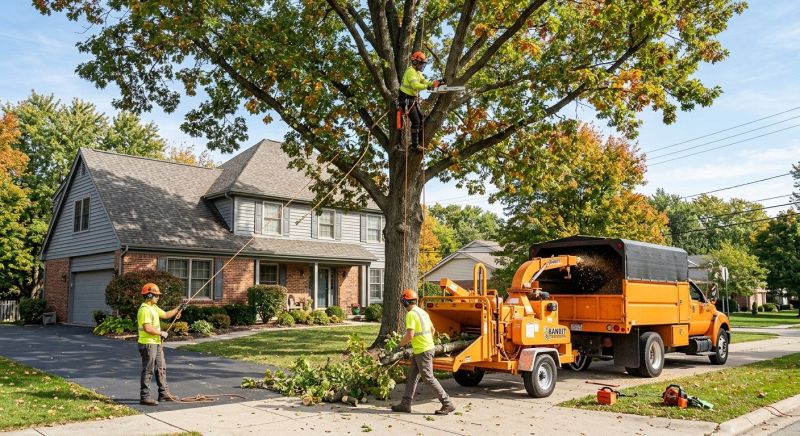
Residential Tree Service Services
Examples of residential tree service work property owners may explore in allentown, pa.
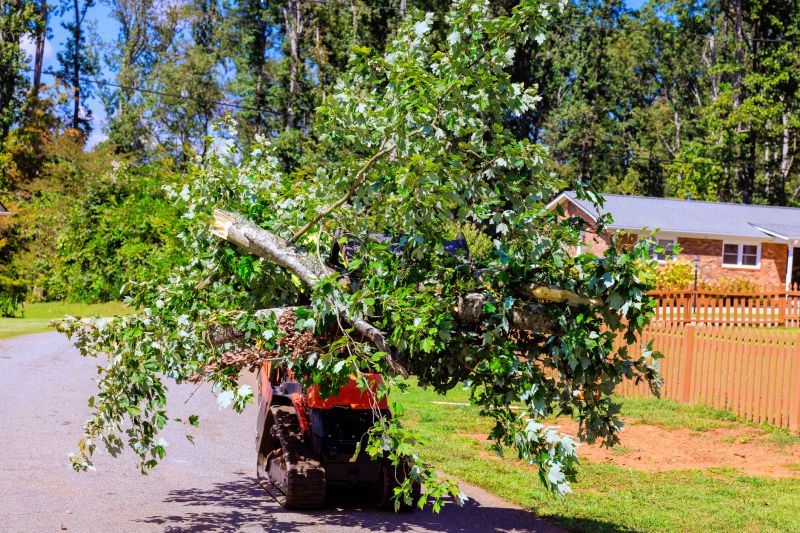
Residential Tree Service Updates
Common ways people refresh, improve, or restore residential tree service features in allentown, pa.
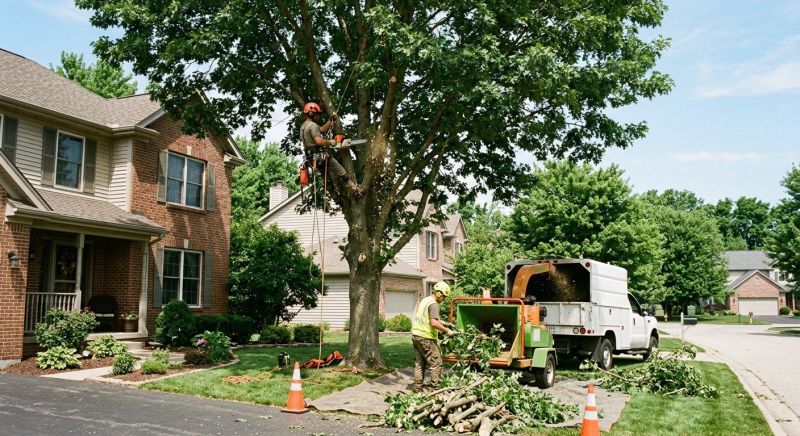
Residential Tree Service Options
Different styles, layouts, and finishes people consider for residential tree service in allentown, pa.
Residential Tree Service in Allentown, PA

Residential tree service encompasses a range of professional activities aimed at maintaining, removing, or improving trees on private property. Common projects include pruning to promote healthy growth, trimming to improve aesthetics or clearance, and tree removal when a tree is dead, diseased, or poses a safety risk. Property owners often seek these services to enhance curb appeal, ensure safety around their homes, or address specific concerns such as obstructed views or damaged branches. Before requesting a tree service, it’s helpful for homeowners to assess the condition of their trees, identify any potential hazards, and determine the desired outcome, whether it’s aesthetic improvement or safety-related removal.
Understanding the scope of residential tree services can help property owners communicate their needs clearly. It’s important to consider factors such as the size and location of trees, proximity to structures or power lines, and any local regulations or permits that may apply. Homeowners should also inquire about the methods used, the potential impact on their landscape, and any necessary preparations before work begins. Having this information can ensure that the tree service aligns with property goals and safety requirements, resulting in a well-maintained and attractive yard.
Many property owners in Allentown, PA look into Residential Tree Service for repairs, replacements, upgrades, and appearance-related improvements.
Common Residential Tree Service Jobs
Tree pruning - shaping trees to promote healthy growth and improve appearance.
Tree removal - safely taking down dead, diseased, or hazardous trees.
Stump grinding - removing tree stumps to clear space and prevent pest issues.
Emergency tree services - addressing storm damage and fallen trees promptly.
Tree health assessments - evaluating tree conditions to determine necessary care or removal.
Cabling and bracing - providing support for weak or structurally compromised trees.
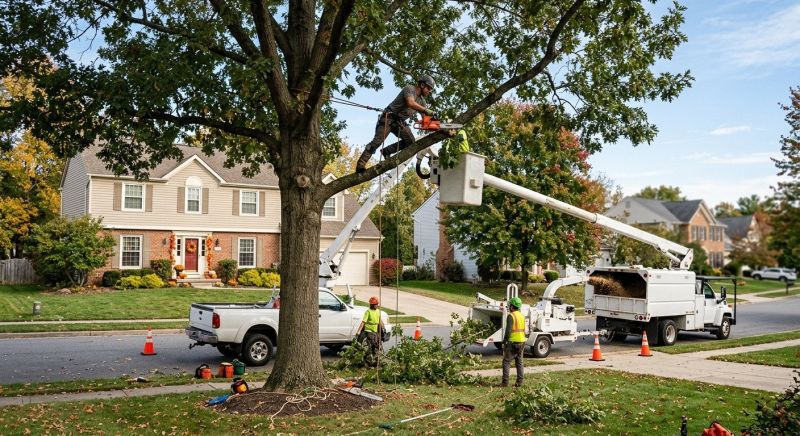
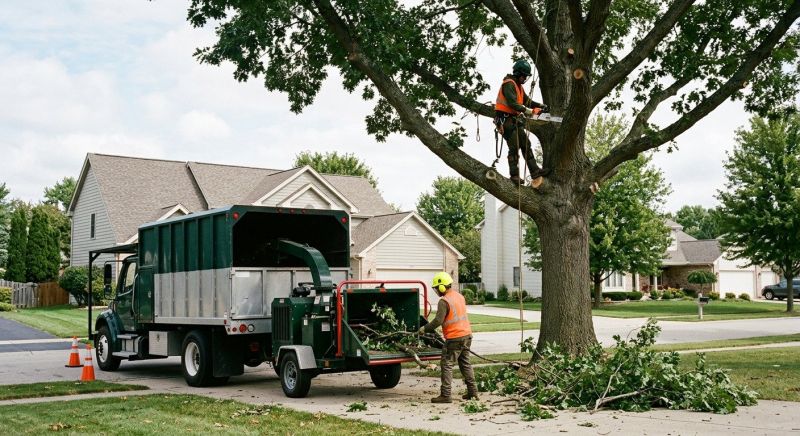
Residential Tree Service Questions
What types of trees are commonly serviced? Residential tree services typically include trees such as maples, oaks, birches, and fruit trees, among others present on the property.
What services are included in residential tree care? Common services include pruning, trimming, removal of dead or hazardous trees, and stump grinding to maintain safety and appearance.
When is the best time for tree trimming? The ideal time for trimming is during the dormant season, usually late winter or early spring, to promote healthy growth.
How can property owners identify hazardous trees? Signs include dead branches, cracks in the trunk, leaning, or root damage, which may indicate the need for professional assessment and action.
Request Residential Tree Service in Allentown, PA
Use the quote form on this page to share the basics of your project and request more information for the type of work you need.