Dead Branch Removal in Pottstown, PA
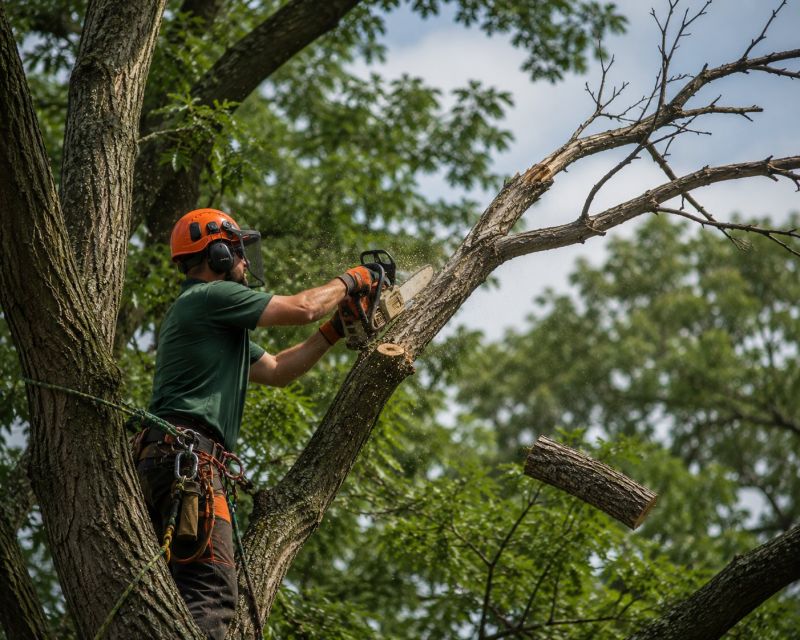
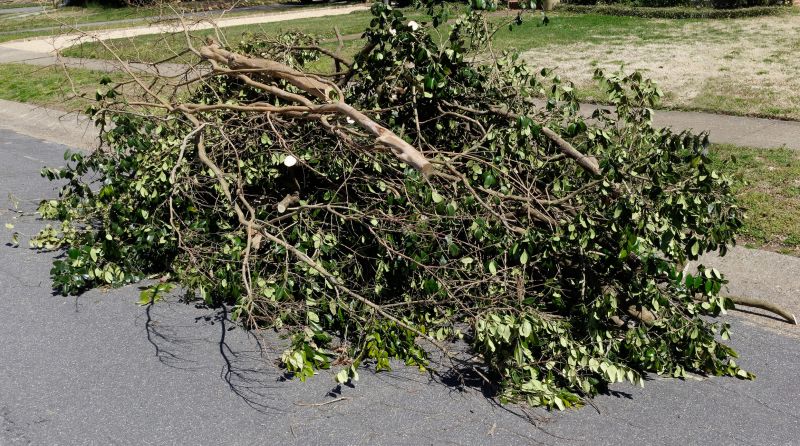
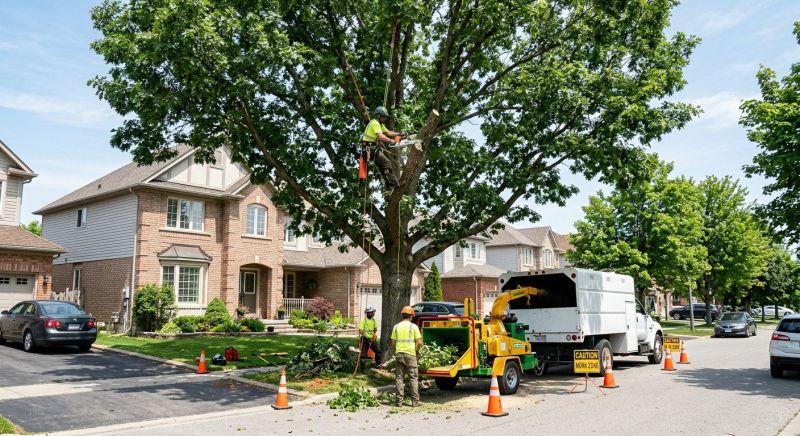
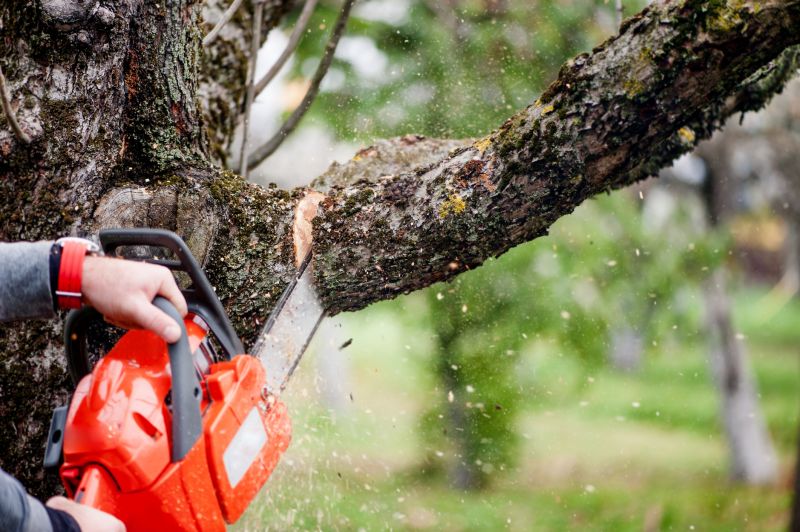
Dead branch removal services focus on safely eliminating overgrown, damaged, or hazardous limbs from trees on residential properties. This process involves carefully trimming or cutting away dead, broken, or diseased branches to improve the health and appearance of trees, reduce the risk of falling debris, and prevent potential property damage. Projects typically include removing branches that are obstructing walkways, driveways, or utility lines, as well as addressing limbs that pose a safety concern during storms or high winds.
Homeowners considering dead branch removal should understand the importance of assessing which limbs need attention and the potential impact on the overall tree health. It’s common to request this service when branches become too large, decay is evident, or when there is a concern about safety. Property owners often want to ensure that the work is performed without damaging the tree or surrounding landscape, and may seek guidance on the best approach to maintain both safety and aesthetic appeal.
Many property owners in Pottstown, PA look into Dead Branch Removal for repairs, replacements, upgrades, and appearance-related improvements.
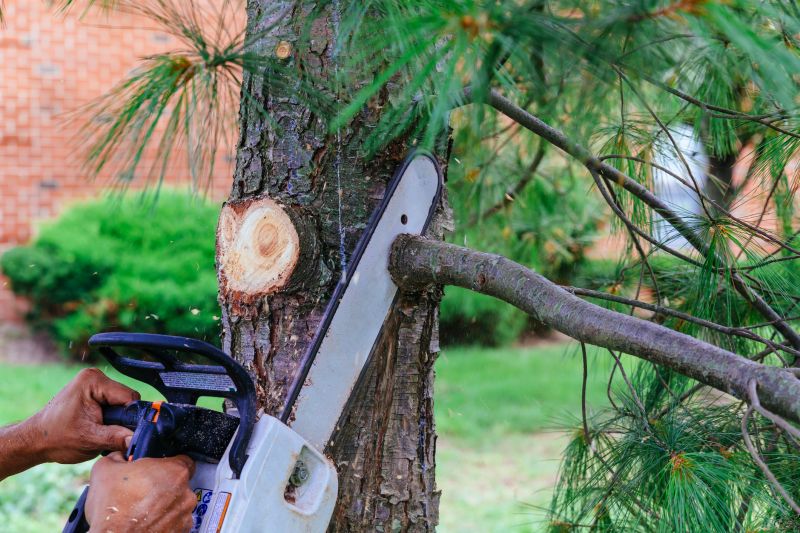
Safety And Property Protection
Removing dead branches reduces the risk of falling and property damage during storms.
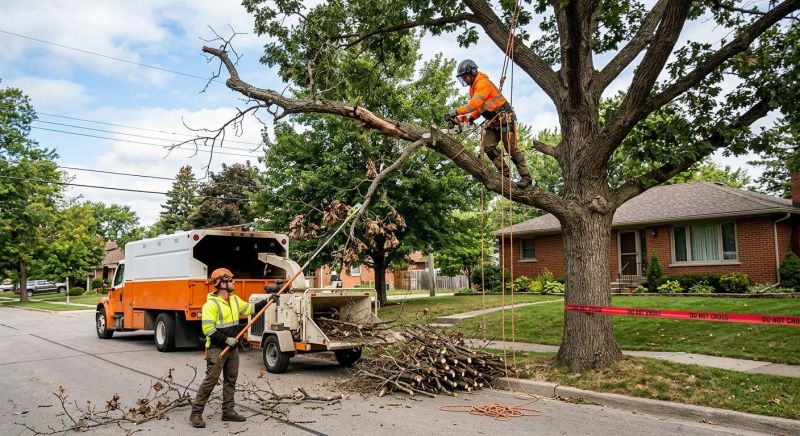
Tree Health And Maintenance
Pruning dead branches helps improve the overall health and growth of trees on your property.
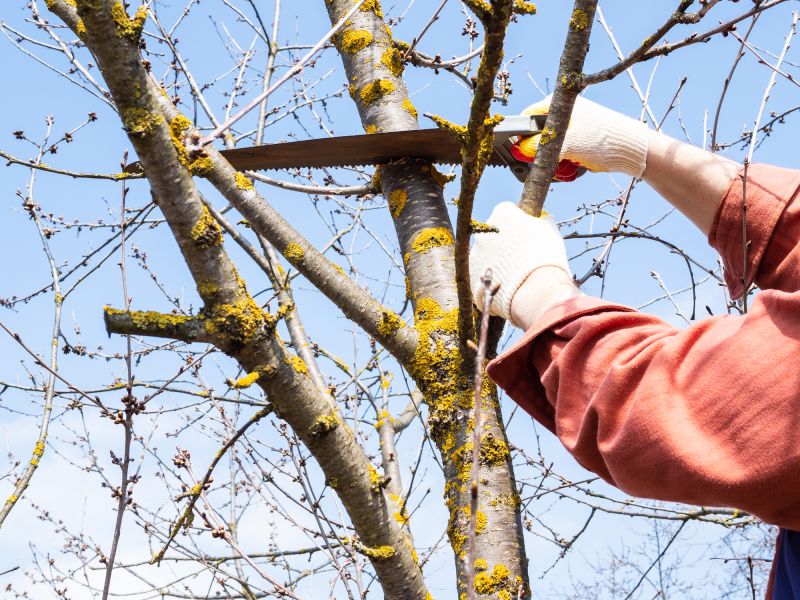
Aesthetic Improvement
Clearing dead or damaged branches enhances the appearance and curb appeal of your landscape.
Dead Branch Removal in Pottstown, PA
Dead branch removal services focus on safely eliminating overgrown, damaged, or hazardous limbs from trees on residential properties. This process involves carefully trimming or cutting away dead, broken, or diseased branches to improve the health and appearance of trees, reduce the risk of falling debris, and prevent potential property damage. Projects typically include removing branches that are obstructing walkways, driveways, or utility lines, as well as addressing limbs that pose a safety concern during storms or high winds.
Homeowners considering dead branch removal should understand the importance of assessing which limbs need attention and the potential impact on the overall tree health. It’s common to request this service when branches become too large, decay is evident, or when there is a concern about safety. Property owners often want to ensure that the work is performed without damaging the tree or surrounding landscape, and may seek guidance on the best approach to maintain both safety and aesthetic appeal.
Many property owners in Pottstown, PA look into Dead Branch Removal for repairs, replacements, upgrades, and appearance-related improvements.
Common Dead Branch Removal Jobs
Dead Branch Removal - Safely removes dead or dying branches to prevent potential hazards.
Tree Health Maintenance - Eliminates weak branches that can cause disease or decay.
Property Damage Prevention - Reduces risk of fallen branches damaging roofs, fences, or vehicles.
Storm Preparedness - Clears dead limbs that are more likely to break during storms.
Tree Preservation - Maintains the overall health and appearance of mature trees.
Safety Enhancement - Minimizes the danger of falling branches to people and property.
Dead Branch Removal Questions
Why remove dead branches from trees? Removing dead branches helps prevent potential damage to property and reduces the risk of falling limbs that could cause injury.
When is the best time to remove dead branches? Dead branches can be removed anytime during the year, but late winter or early spring is often preferred for healthy tree growth.
What are the signs of a dead or dying branch? Signs include discoloration, brittleness, absence of leaves, and visible decay or fungal growth.
Does removing dead branches benefit tree health? Yes, removing dead branches improves airflow, reduces disease risk, and supports overall tree vitality.
Request Dead Branch Removal in Pottstown, PA
Use the quote form on this page to share the basics of your project and request more information for the type of work you need.