Tree Canopy Thinning in Allentown, PA
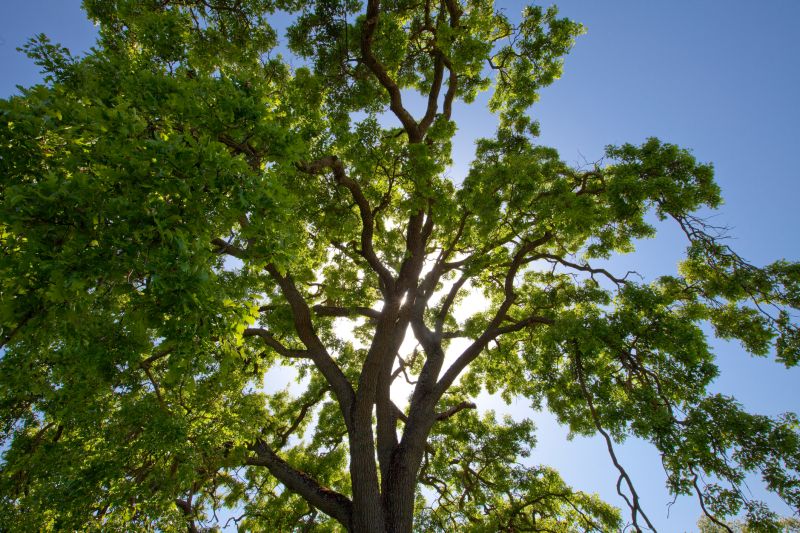
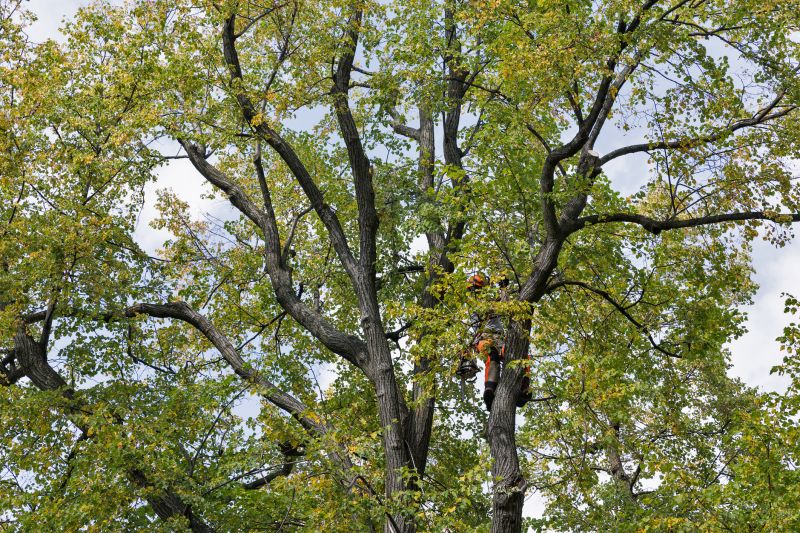
Tree canopy thinning services involve selectively removing branches and foliage to improve the overall health, safety, and appearance of a tree. This process is often requested for projects such as reducing excessive shading, preventing branch breakage during storms, or improving air circulation within dense canopies. Property owners typically seek this service to enhance sunlight exposure to lawns and gardens, to minimize the risk of falling limbs, or to ensure that trees do not interfere with utility lines or structures.
Before requesting tree canopy thinning, property owners should consider the specific goals for their trees and understand how thinning may affect their health and growth. It’s important to evaluate the type and age of the trees involved, as well as to identify any local regulations or restrictions related to pruning. Proper planning helps ensure that thinning is performed safely and effectively, maintaining the tree’s stability and aesthetic appeal while achieving the desired outcomes.
Many property owners in Allentown, PA look into Tree Canopy Thinning for repairs, replacements, upgrades, and appearance-related improvements.
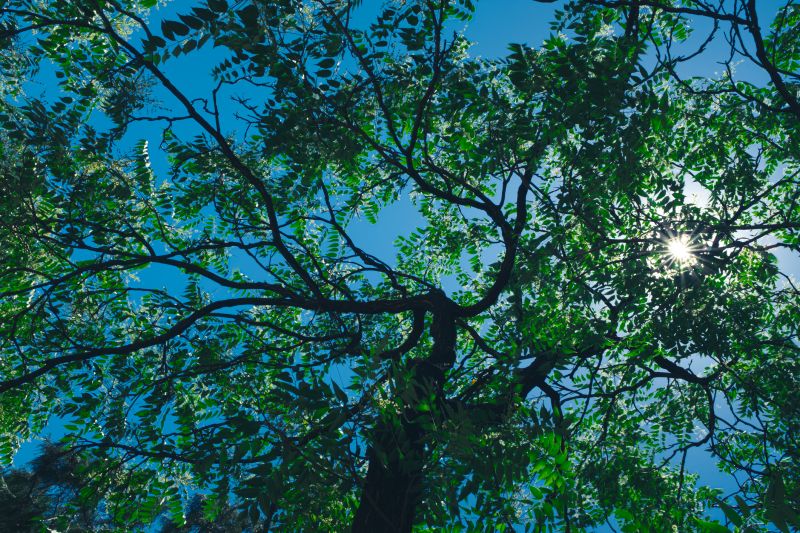
Tree Canopy Thinning Benefits
Thinning improves sunlight exposure and air circulation for healthier trees.
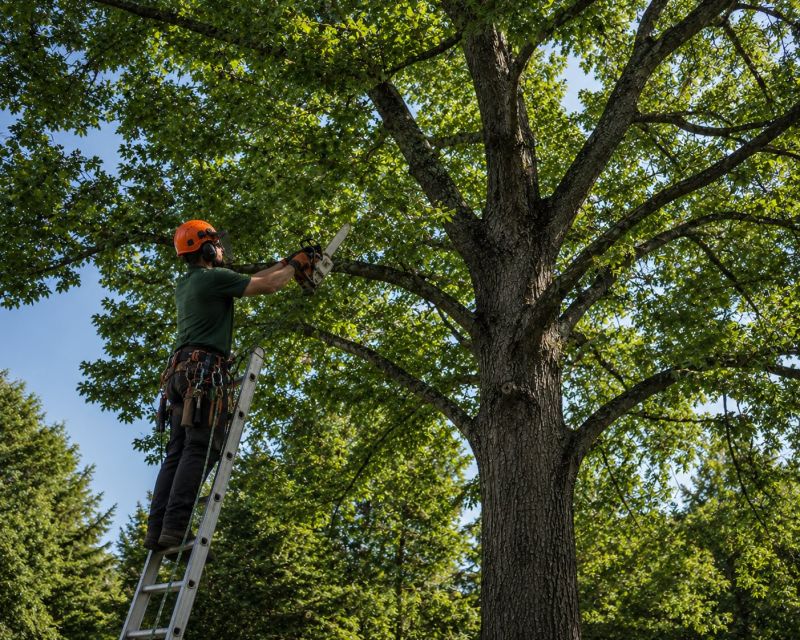
Common Reasons For Thinning
Property owners often thin trees to reduce risk and promote growth in allentown neighborhoods.
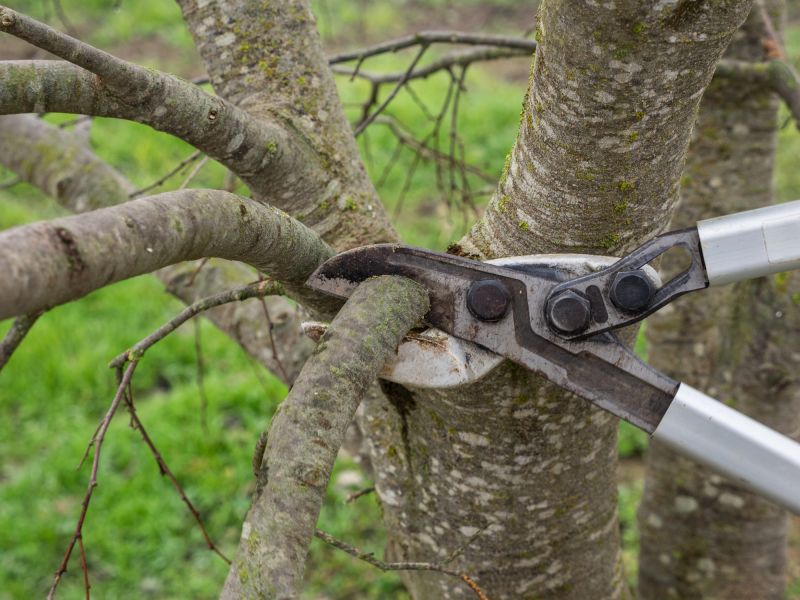
What To Expect During Service
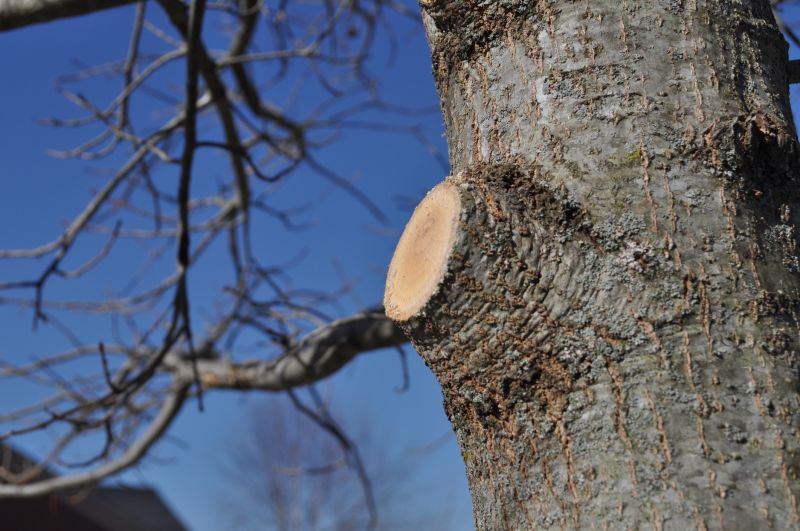
Professional thinning involves carefully removing selected branches to maintain tree stability and appearance.
Tree Canopy Thinning in Allentown, PA
Tree canopy thinning services involve selectively removing branches and foliage to improve the overall health, safety, and appearance of a tree. This process is often requested for projects such as reducing excessive shading, preventing branch breakage during storms, or improving air circulation within dense canopies. Property owners typically seek this service to enhance sunlight exposure to lawns and gardens, to minimize the risk of falling limbs, or to ensure that trees do not interfere with utility lines or structures.
Before requesting tree canopy thinning, property owners should consider the specific goals for their trees and understand how thinning may affect their health and growth. It’s important to evaluate the type and age of the trees involved, as well as to identify any local regulations or restrictions related to pruning. Proper planning helps ensure that thinning is performed safely and effectively, maintaining the tree’s stability and aesthetic appeal while achieving the desired outcomes.
Many property owners in Allentown, PA look into Tree Canopy Thinning for repairs, replacements, upgrades, and appearance-related improvements.
Common Tree Canopy Thinning Jobs
Tree Canopy Thinning - Selectively reduces foliage to improve light and airflow.
Tree Crown Reduction - Carefully decreases branch length to maintain tree health.
Overgrown Tree Thinning - Removes excess branches to prevent potential damage.
Selective Branch Removal - Targets specific limbs to enhance overall tree structure.
Canopy Management - Balances tree growth for aesthetic and safety purposes.
Tree Lightening Services - Opens up dense canopies to reduce weight and risk.

Tree Canopy Thinning Questions
What is tree canopy thinning? Tree canopy thinning involves selectively removing branches to reduce the density of a tree's foliage, improving airflow and light penetration.
Why consider canopy thinning? Thinning can help prevent storm damage, reduce weight on branches, and promote healthier growth for trees in residential areas.
Which trees benefit from canopy thinning? Mature, overgrown, or densely branched trees that may pose risks or hinder sunlight are common candidates for thinning services.
Is canopy thinning safe for trees? When performed properly, canopy thinning supports tree health by reducing stress and minimizing the risk of branch failure.
Request Tree Canopy Thinning in Allentown, PA
Use the quote form on this page to share the basics of your project and request more information for the type of work you need.