Tree Trunk Removal in Calvert County, MD
Tree trunk removal services involve the safe and efficient removal of large sections of tree trunks that are damaged, dead, or pose a risk to property and safety. This type of work often covers projects such as removing fallen or leaning trunks after storms, clearing space for new landscaping, or eliminating trees that are diseased or obstructing views. Property owners typically want to understand the scope of the removal process, including how the trunks will be cut, what equipment will be used, and how debris will be handled afterward.
Before requesting tree trunk removal, homeowners should consider the size and location of the trunks, as well as any nearby structures, power lines, or landscaping elements. It’s also helpful to be aware of any permits or regulations that might apply in the area. Clear communication about the specific trunks needing removal and the desired outcome can ensure the project proceeds smoothly and safely.
Many property owners in Calvert County, MD look into Tree Trunk Removal for repairs, replacements, upgrades, and appearance-related improvements.
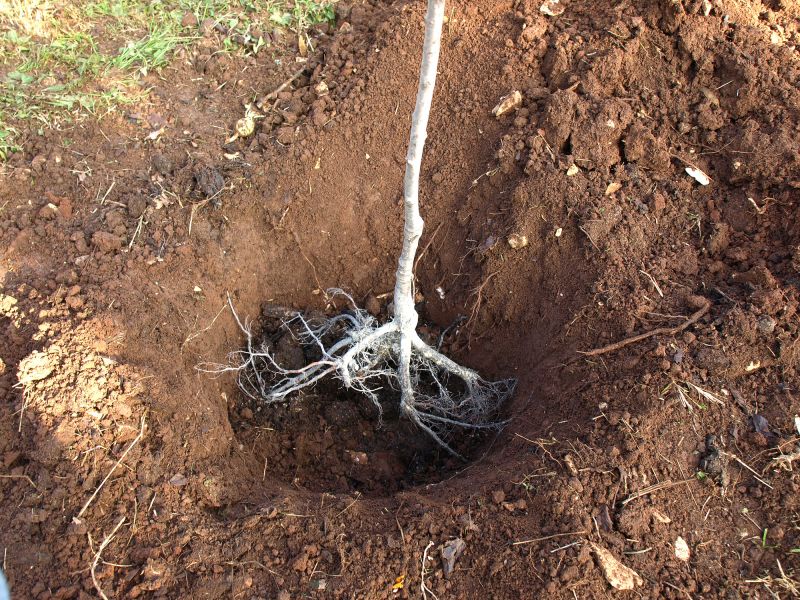
Tree Trunk Removal For Safety
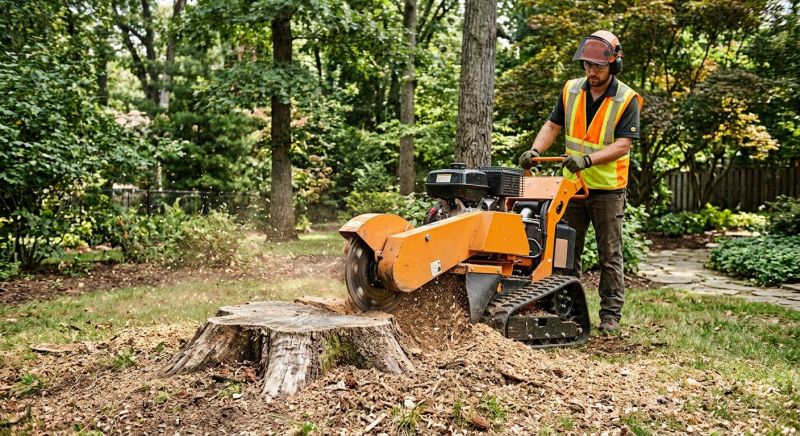
Removing damaged or decayed trunks helps prevent property damage and personal injury.
Enhancing Property Appearance
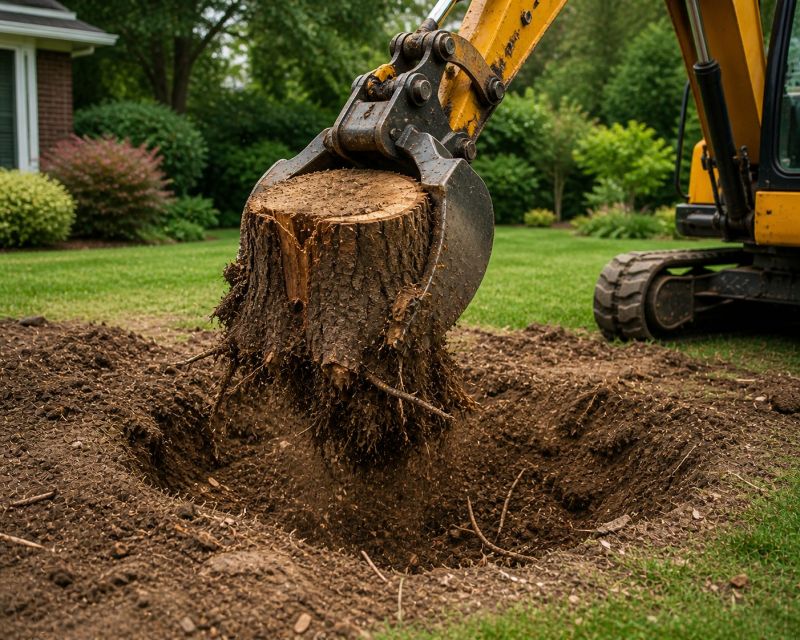
Clearing out old or unsightly tree trunks can improve the overall look of residential and commercial landscapes.
Preparing For Storm Season
Removing large tree trunks ensures trees are more resilient and reduces the risk of storm-related damage in calvert county, md.
Tree Trunk Removal in Calvert County, MD
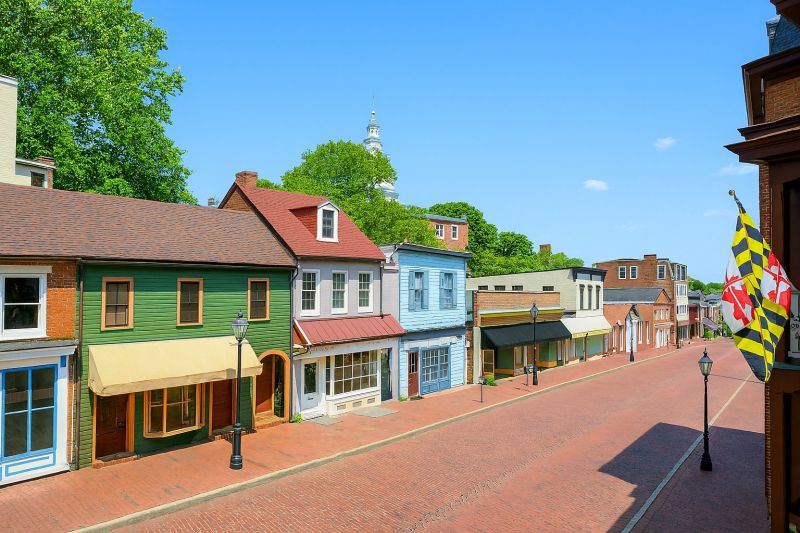
Tree trunk removal services involve the safe and efficient removal of large sections of tree trunks that are damaged, dead, or pose a risk to property and safety. This type of work often covers projects such as removing fallen or leaning trunks after storms, clearing space for new landscaping, or eliminating trees that are diseased or obstructing views. Property owners typically want to understand the scope of the removal process, including how the trunks will be cut, what equipment will be used, and how debris will be handled afterward.
Before requesting tree trunk removal, homeowners should consider the size and location of the trunks, as well as any nearby structures, power lines, or landscaping elements. It’s also helpful to be aware of any permits or regulations that might apply in the area. Clear communication about the specific trunks needing removal and the desired outcome can ensure the project proceeds smoothly and safely.
Many property owners in Calvert County, MD look into Tree Trunk Removal for repairs, replacements, upgrades, and appearance-related improvements.
Common Tree Trunk Removal Jobs
Tree trunk removal involves safely cutting down and removing large tree sections to clear space or eliminate hazards.
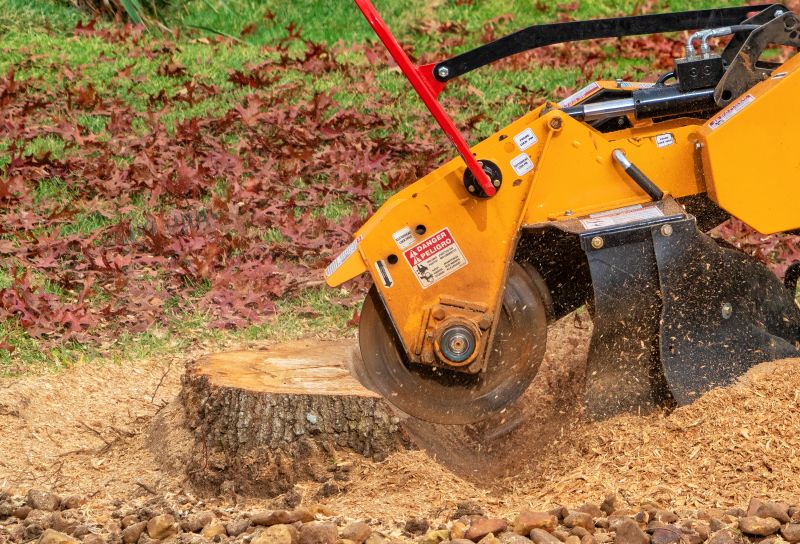
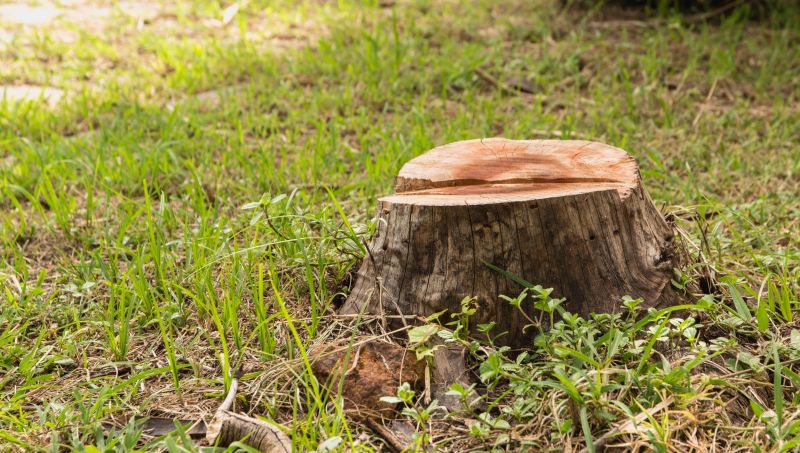
Stump removal includes extracting remaining tree stumps to prevent regrowth and improve yard aesthetics.
Hazard tree removal addresses trees that pose a risk of falling due to decay, storm damage, or instability.
Emergency tree removal handles urgent situations where fallen or leaning trees threaten property or safety.
Selective tree removal targets specific trees to improve landscape health, sunlight, or view clearance.
Root removal involves extracting invasive or problematic roots that can damage structures or interfere with landscaping.

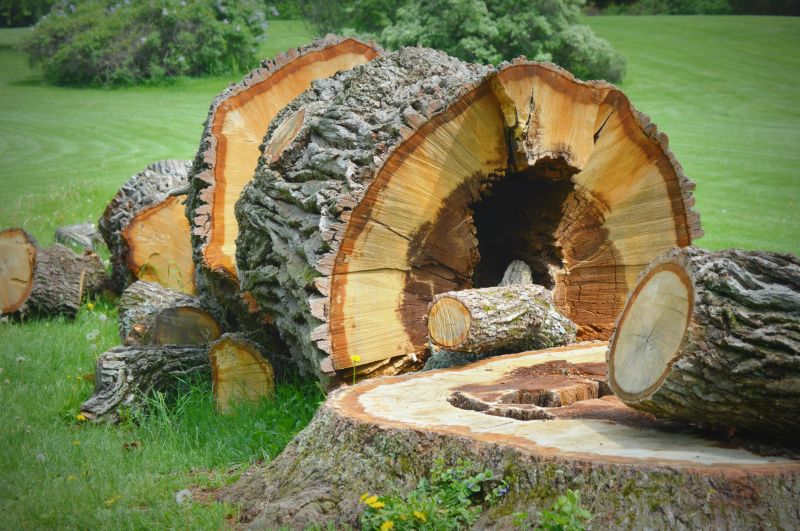
Tree Trunk Removal Questions
When is tree trunk removal necessary? Trunk removal may be needed when a tree is dead, diseased, or poses a risk to property or safety.
How is a tree trunk removed? The process involves cutting the trunk into manageable sections and safely removing them from the property.
Are there alternatives to trunk removal? Yes, options like trunk grinding or pruning may be suitable depending on the situation and desired outcome.
What should property owners consider before trunk removal? It's important to assess the tree’s condition, location, and potential impact on surrounding landscaping or structures.
Request Tree Trunk Removal in Calvert County, MD
Use the quote form on this page to share the basics of your project and request more information for the type of work you need.